
Amendments to the Tourism Act in Greenland Adopted

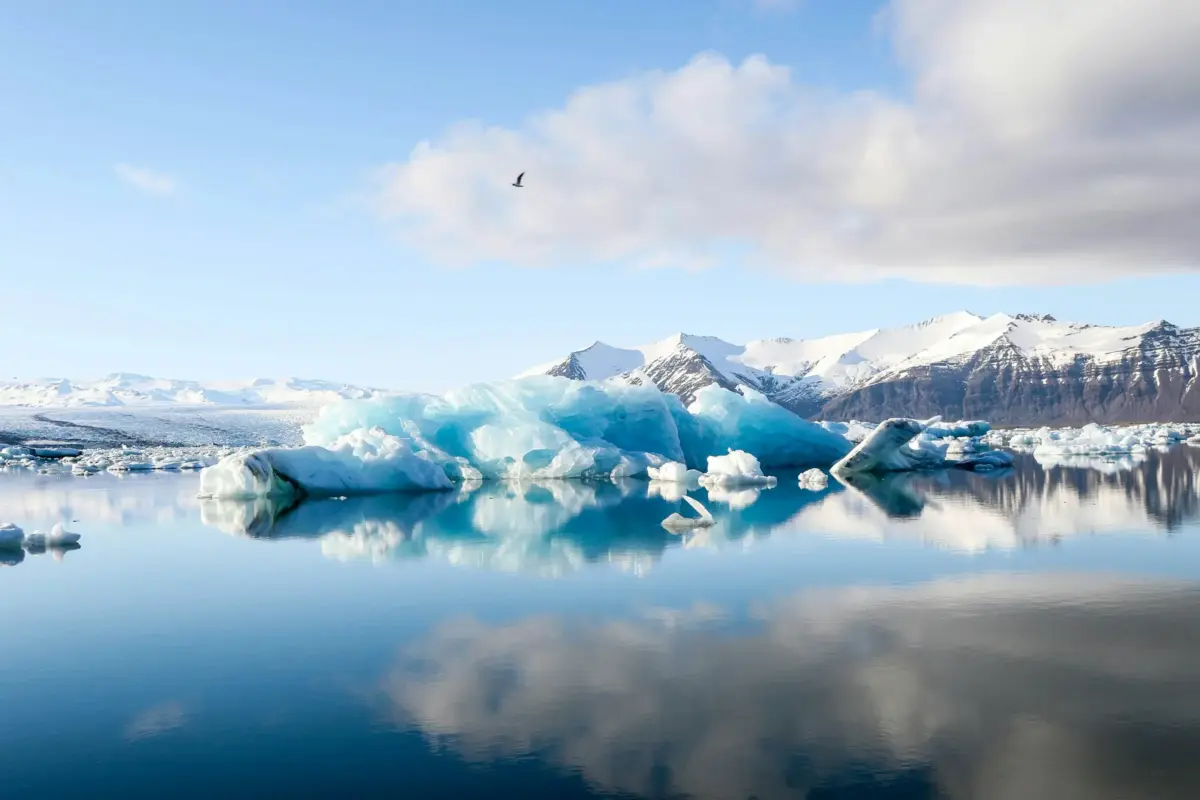
A pair of blue towering icebergs appear to form gates in Ofjord, or O fjord, Scoresby Sund, Greenland. Source: iStock.com/Rixipix
Yesterday, a majority in the Parliament of Greenland passed amendments to the Tourism Act. Among other changes, the exemption period for existing tourism businesses will be shorter than initially proposed.
The Parliament has adopted amendments to the Tourism Act designed to strike a balance between local ownership and the development of the tourism industry. Moving forward, tourism businesses may, in standard cases, be granted an exemption from the Act’s residency requirement for a maximum of four years.
The Tourism Act, dating from November 2024, requires tourism operators to reside in Greenland and mandates that at least two-thirds of the ownership be local.
However, according to the Government, the Act has, in practice, had an “unintended impact.”
One of the most significant changes concerns the exemption period for businesses established prior to January 1, 2025.
Initially, the proposal allowed for businesses to receive an exemption for five years.
Following political negotiations, however, this period has been reduced to two years, with the possibility of a single extension of up to two years in special cases.
This means that businesses can receive an exemption for a maximum of four years.
Municipalities Gain New Options
The legislative amendment also grants municipalities the authority to impose additional requirements on tourists who do not have a permanent residence in Greenland when they are on designated routes. This could include requirements for registration, hiking or access permits, and proof of travel or rescue insurance.
Furthermore, the Government of Greenland will be empowered to introduce special permits for activities such as sightseeing involving strictly protected wildlife—for example, polar bear sightseeing.
Broad Support for a Compromise
During Tuesday’s proceedings, all parties indicated their support for the amended bill.
Kuno Fencker of the Naleraq party highlighted that the compromise proposal includes, among other things, shortening the exemption period from five years to two.
He also emphasized that it must remain a priority to ensure that the Greenlandic people have precedence within the country’s business sector.
Fencker stated that his party would have preferred further tightening of the regulations, specifically regarding the Self-Government’s service agreements.
He also urged politicians to disregard warnings from the Greenland Business Association (Grønlands Erhverv) suggesting that the legislative amendment could have negative consequences for the business sector.
Fears of the Sheep Farmers
Two sheep farmers fear that the Act’s requirements—including those regarding Greenlandic ownership and residency—could have consequences extending well beyond the specific tourism operators required to hold a license.
This is because if larger tour operators are unable to continue their operations, small local businesses risk losing their guests as well.
For Elna Jensen, who runs Sillisit Hostel and Café Thorhildur in Qassiarsuk, the reliance on larger operators is very real.
Between 90 and 95 percent of the guests at her establishment arrive through Blue Ice Explorer, which is owned by the Danish Topas Group.
In a good season, she records more than 370 overnight stays at her sheep farm.
“If they cannot continue their operations, it will have very serious consequences for both our accommodation and our café in Qassiarsuk,” she says.
Elna Jensen is not in a position to build an international customer base on her own. When travel agencies and operators meet at international trade fairs, she is busy tending to the farm.
Consequently, she relies on partners who have spent many years cultivating relationships with guests and travel agencies.
“We don’t have the capacity to build the same customer base in just two years. We are subcontractors, and that is something that needs to be taken into account,” she says.
The Consequences Extend to the Settlements
It is not just the accommodation provider that risks losing revenue if tourists fail to arrive.
Elna Jensen also points to the café and the souvenir shop in Qassiarsuk, both of which depend on visitors to the settlement.
Aviaja Lennert, who runs Sermilik Hostel in Tasiusaq, shares this concern.
She also collaborates with Blue Ice Explorer and relies on larger operators to bring tourists into the fjord.
She believes that, over the years, the company has helped generate activity and jobs in the area by partnering with local businesses.
The legislative amendment will take effect on January 1, 2027.
Source: